SCOPE
Full-Service Design
LOCATION
Bellevue, PA
TIMELINE
24 MONTHS
-
It has been a true pleasure working on this project and, more importantly, watching the home evolve alongside my client’s own interests and ever-growing collection. From the beginning, it was clear that this would not be a home defined by a single decorating style. Instead, the interiors would serve as a backdrop for a life of collecting—one filled with curiosity, discovery, and an appreciation for objects with history and character.
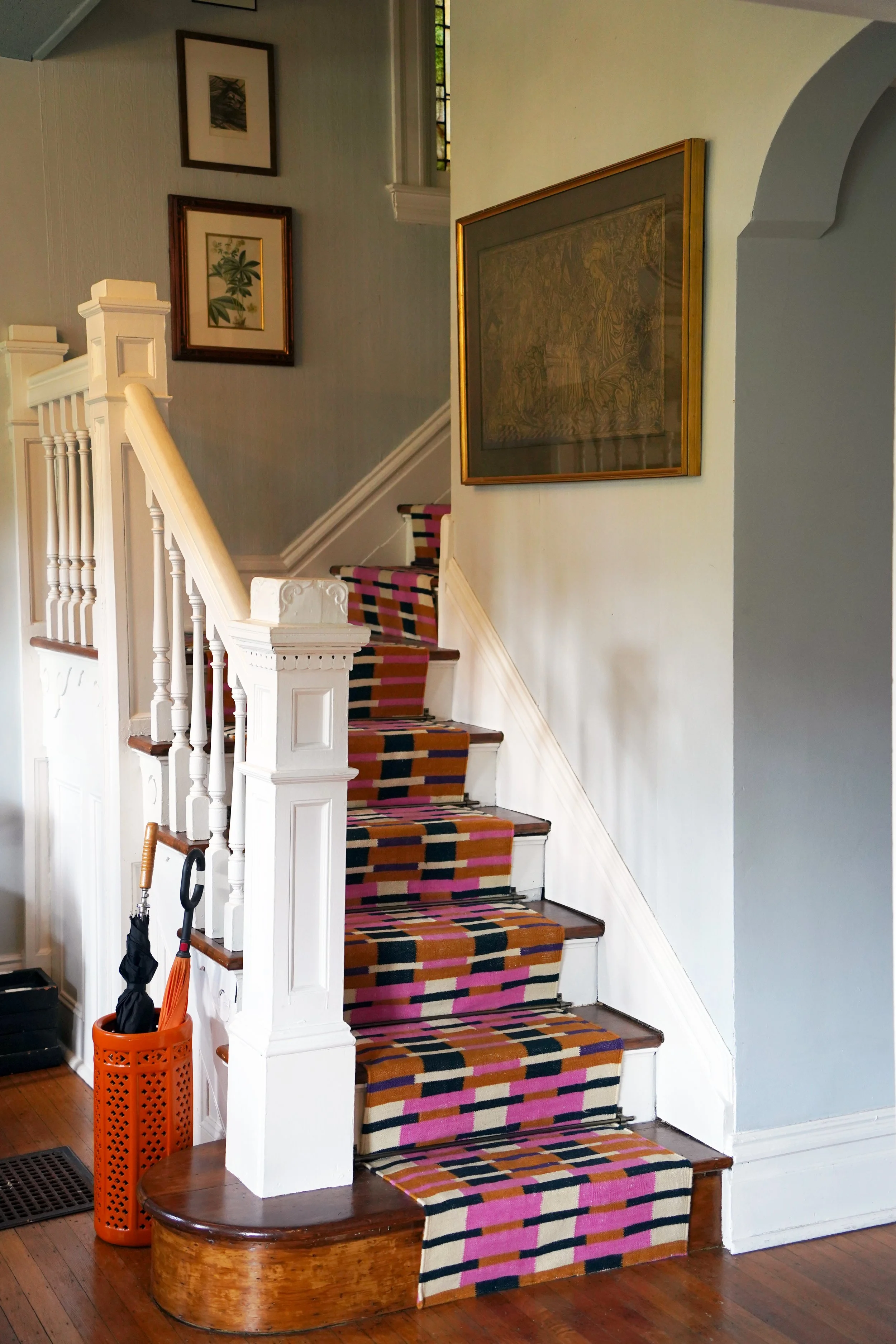
At the heart of the project was a desire to honor the history of this 110-year-old home while creating an interior that feels entirely appropriate for the way my client lives today. Over more than a century, many of the home's original architectural details had been altered, covered, or lost altogether. Part of the renovation involved thoughtfully reinstating elements that helped restore the home's original character and sense of proportion. The intention was never to recreate the house as a period piece, but rather to reestablish its architectural foundation and allow it to support a more layered and personal interior.
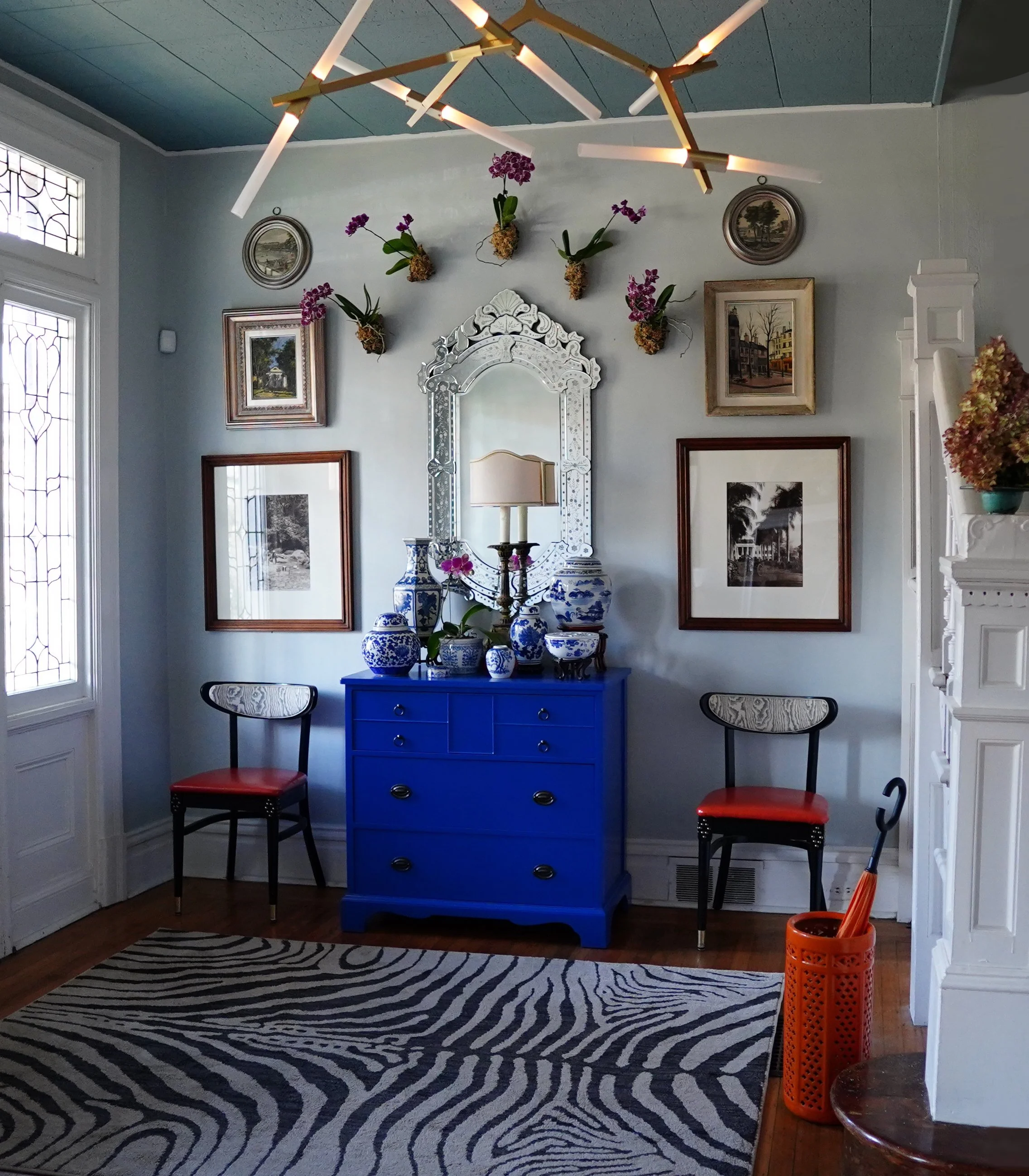
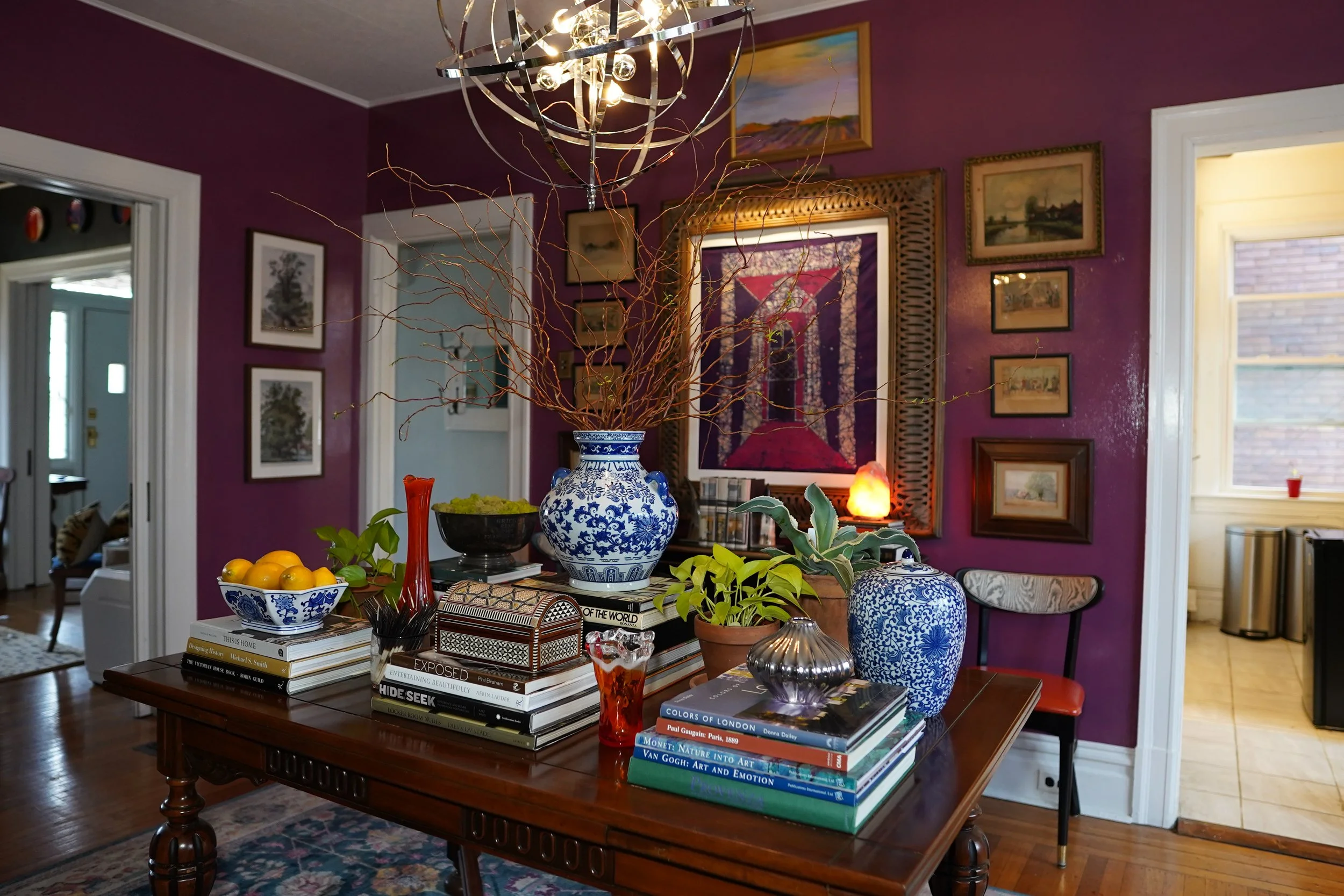
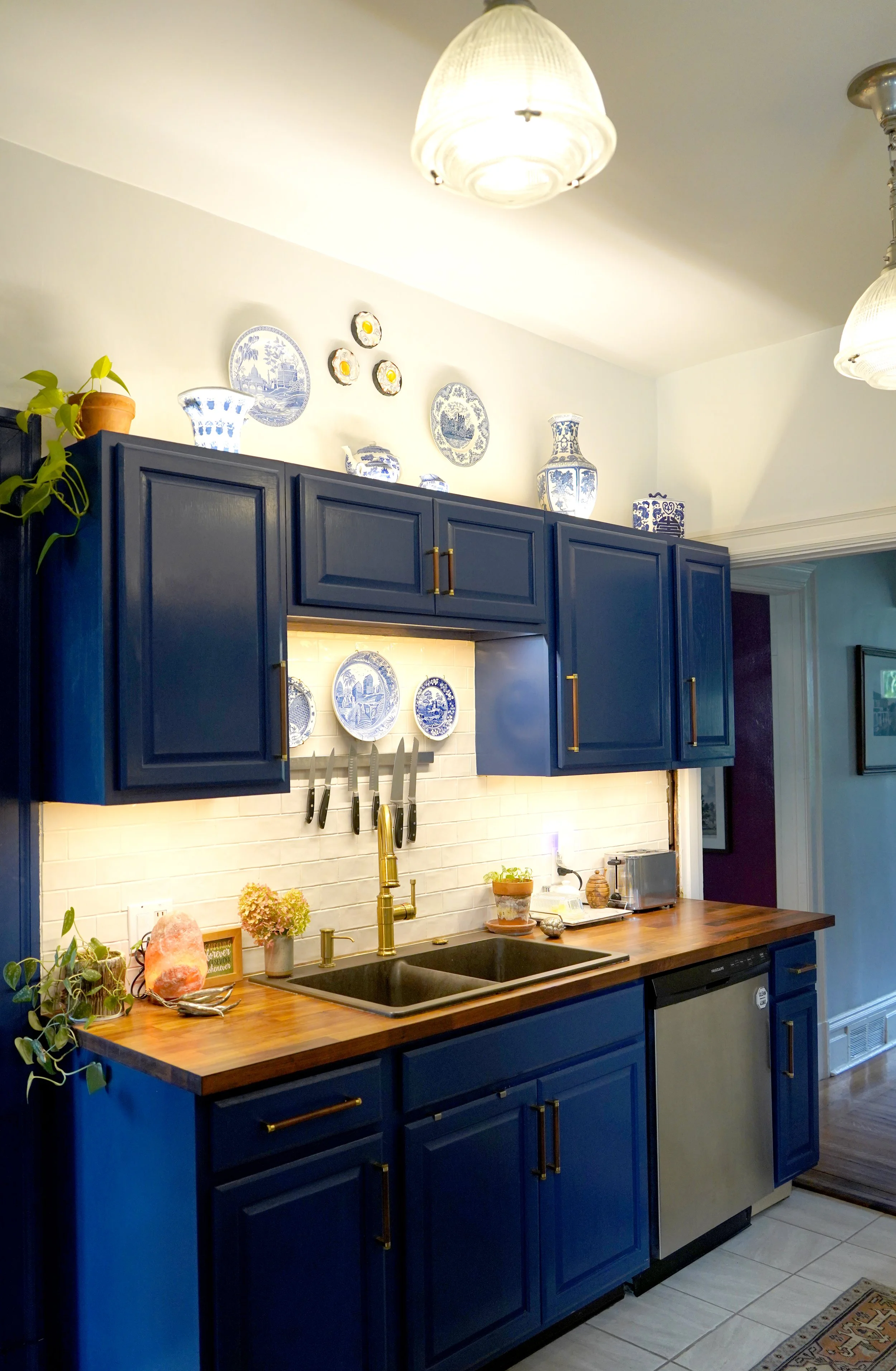
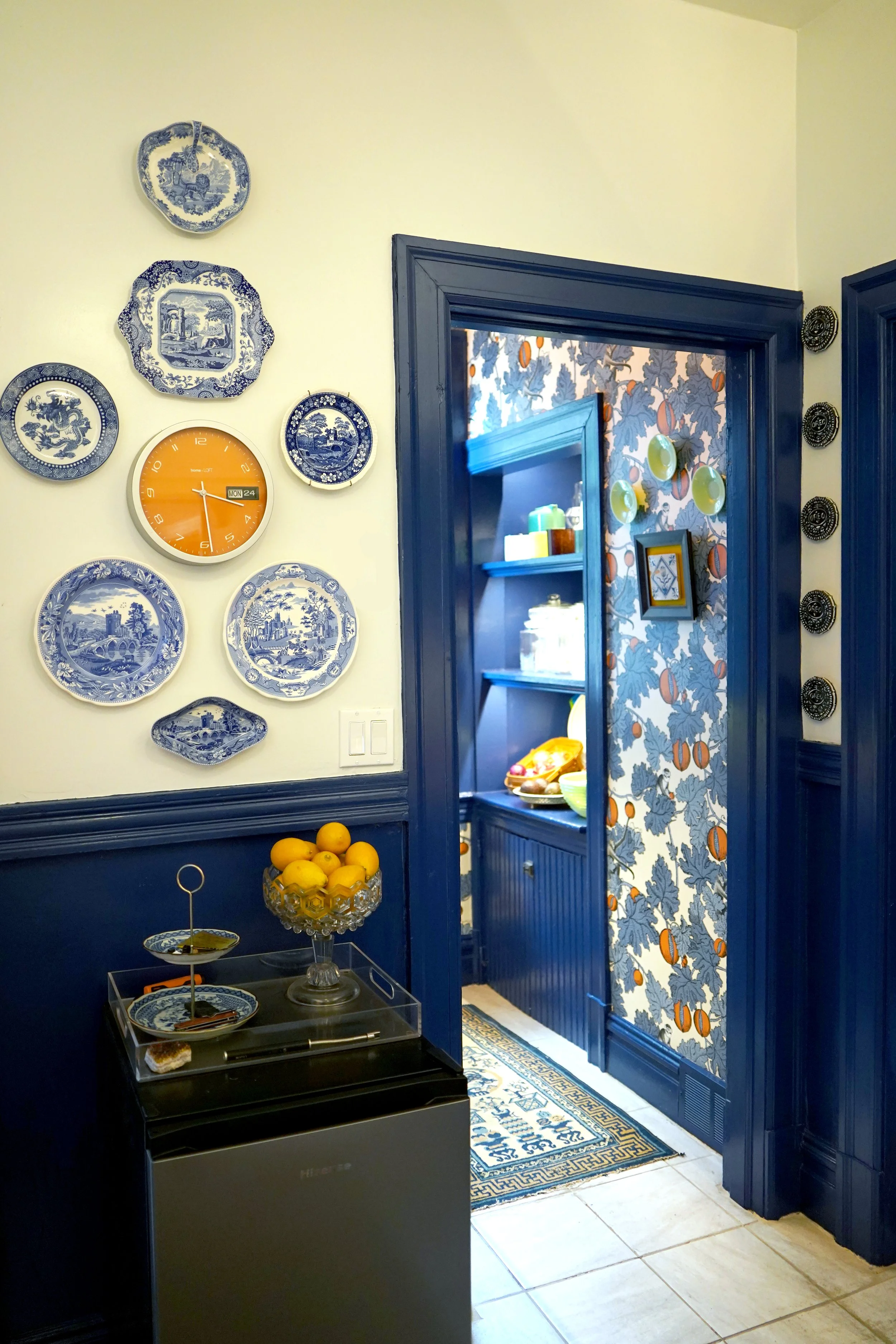
My client is a passionate collector with a wide range of interests, including plants, porcelain, Asian art, unique antiques, and one-of-a-kind decorative objects. Each piece has its own story, provenance, or particular quality that makes it meaningful. One of the primary goals was to thoughtfully integrate these treasures throughout the home rather than simply display them as isolated collections. The challenge was to create an environment where these diverse objects could coexist naturally, allowing each to be appreciated individually while contributing to a cohesive composition.
Rather than designing the rooms first and finding places for the collections afterward, the collections themselves became an important part of the design process. Furniture, lighting, color, wall treatments, and architectural details were considered in relation to the objects that would ultimately inhabit each space. In some instances, a particular antique or work of art became the inspiration for an entire room. In others, collections were arranged to create visual moments that encourage the eye to move through the space and discover something new.
The result is a home that feels genuinely collected rather than decorated. Modern, antique, and vintage pieces are intentionally mixed to create an eclectic interior that feels timeless rather than tied to a particular period. Contemporary furnishings provide clean lines and freshness, while antiques and vintage pieces contribute patina, craftsmanship, and a connection to the past. A contemporary chair might sit beside an antique table, while an Asian work of art provides a striking counterpoint to a traditional architectural detail. These unexpected relationships give the rooms personality and prevent the interiors from feeling overly coordinated.
The design was equally concerned with how the home would function. While the architecture and collections provide a strong sense of history, the house was never intended to feel precious or overly formal. It needed to accommodate everyday life comfortably and gracefully. Furniture arrangements were developed with conversation, entertaining, and daily use in mind, while decorative pieces were incorporated in ways that allow the collections to be enjoyed rather than simply preserved.
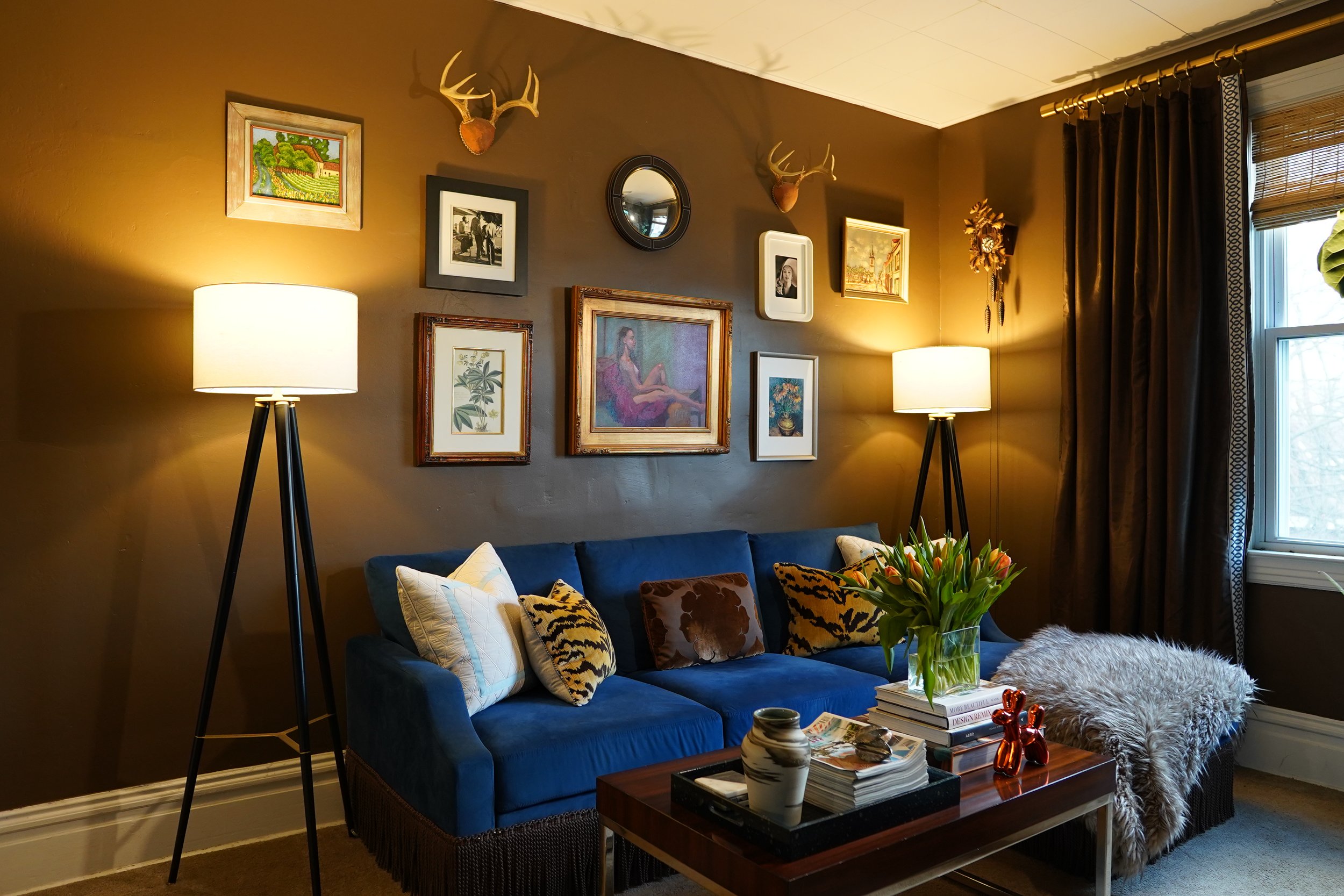
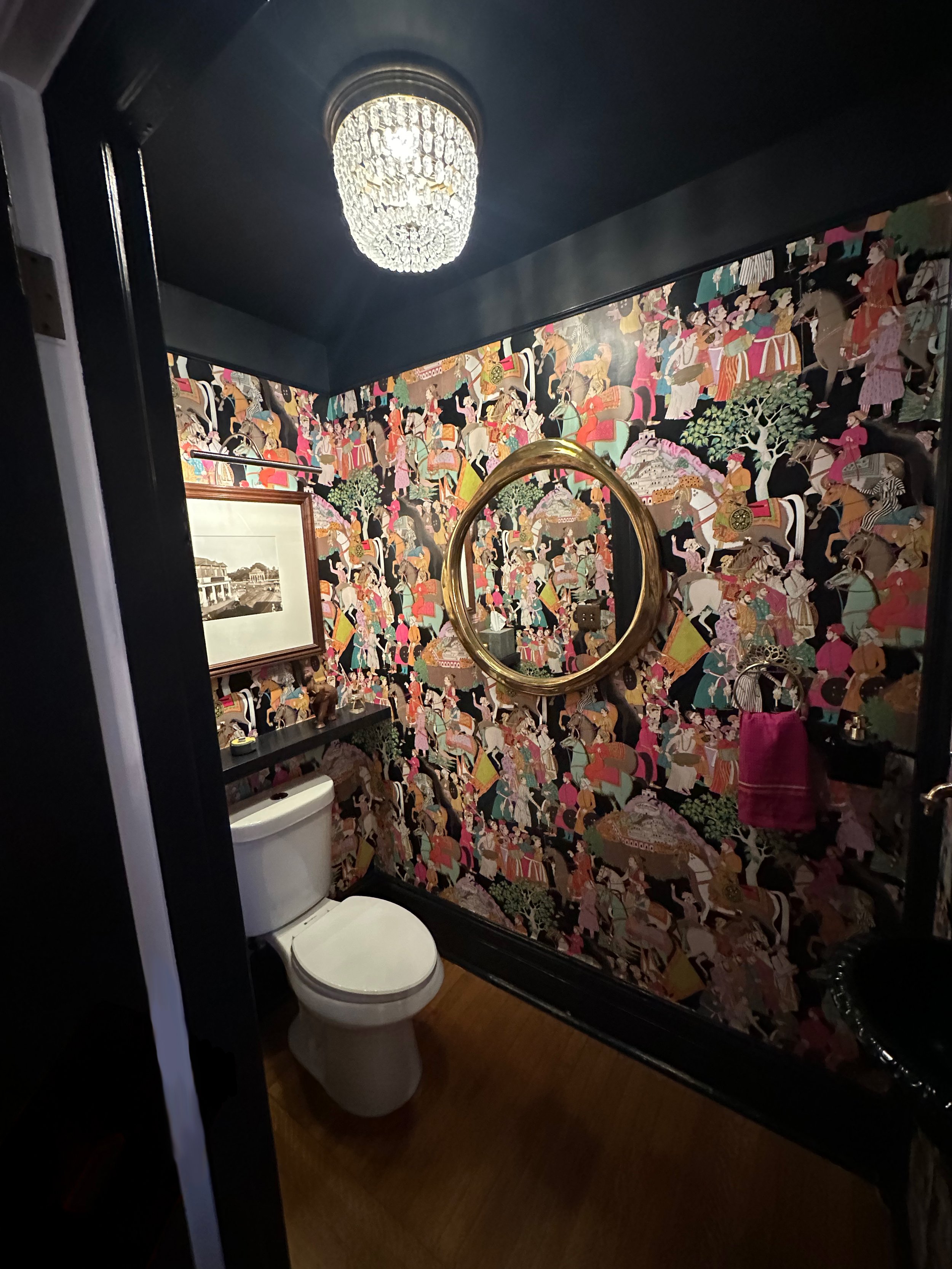
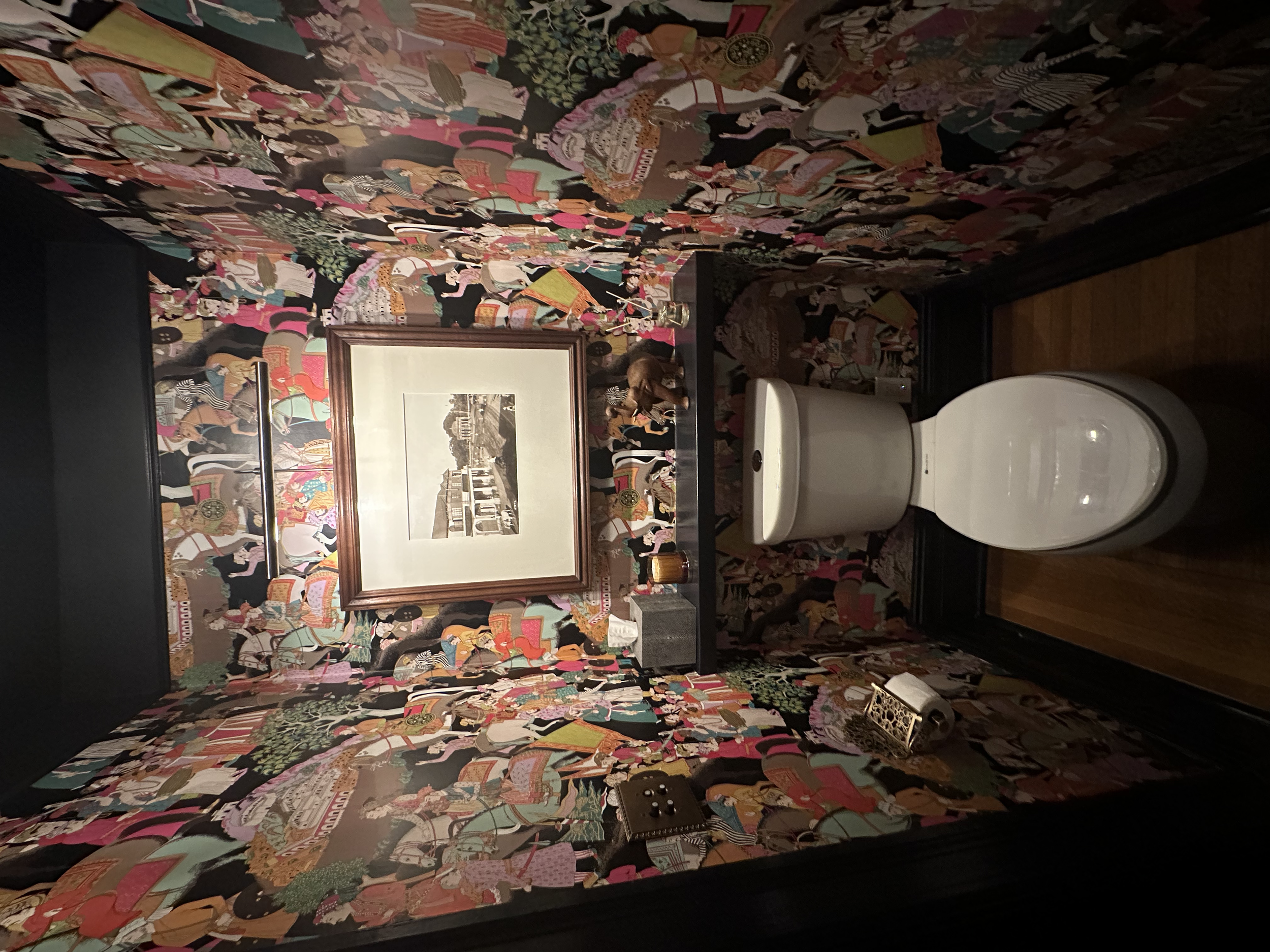
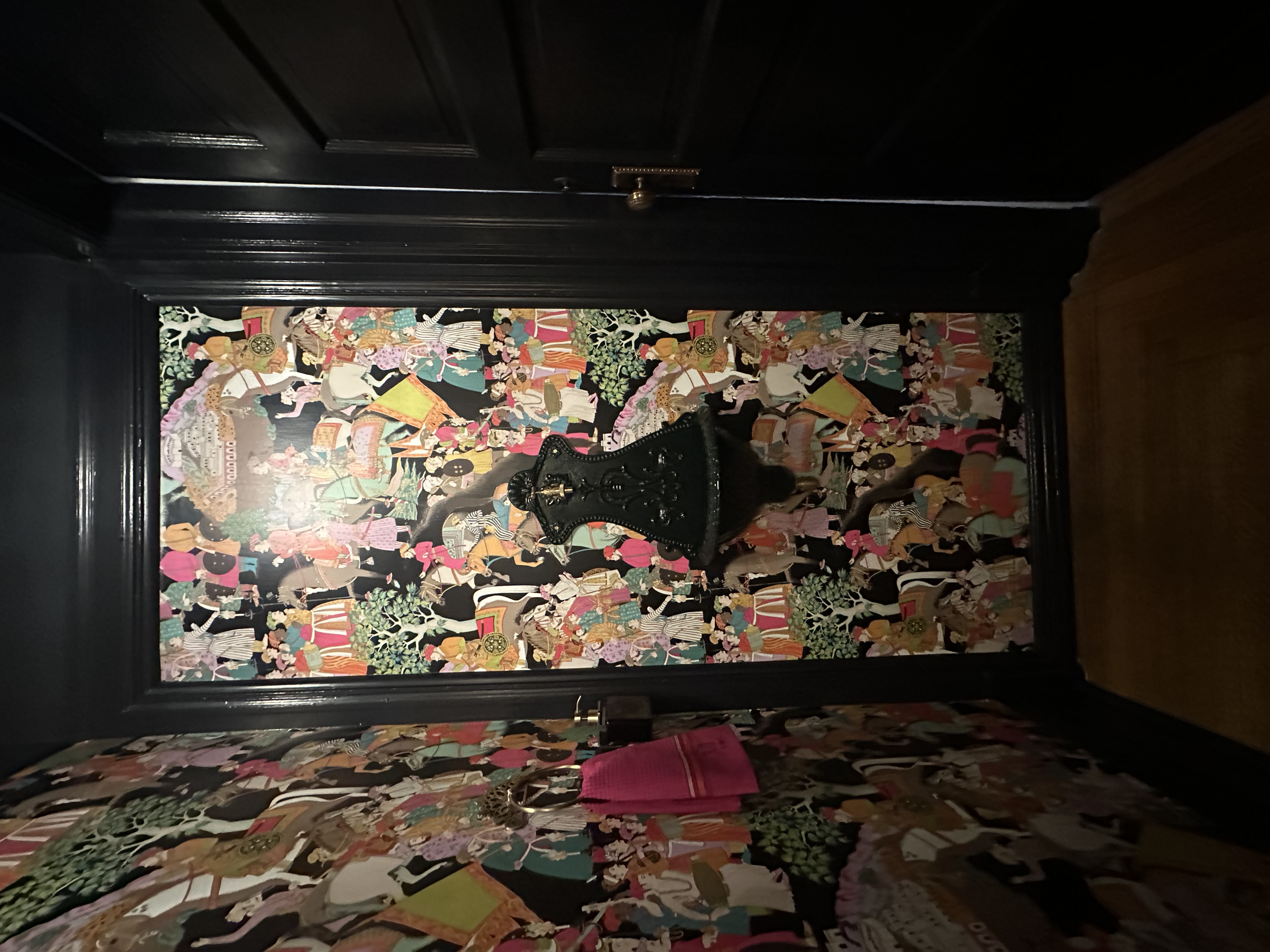
Color played an equally important role in establishing the character of the home. Inspired by my client's love of rich color and a moody ambiance, many of the rooms embrace darker, more dramatic tones. These deeper colors create a sense of intimacy while providing a sophisticated backdrop for artwork, porcelain, antiques, and greenery.
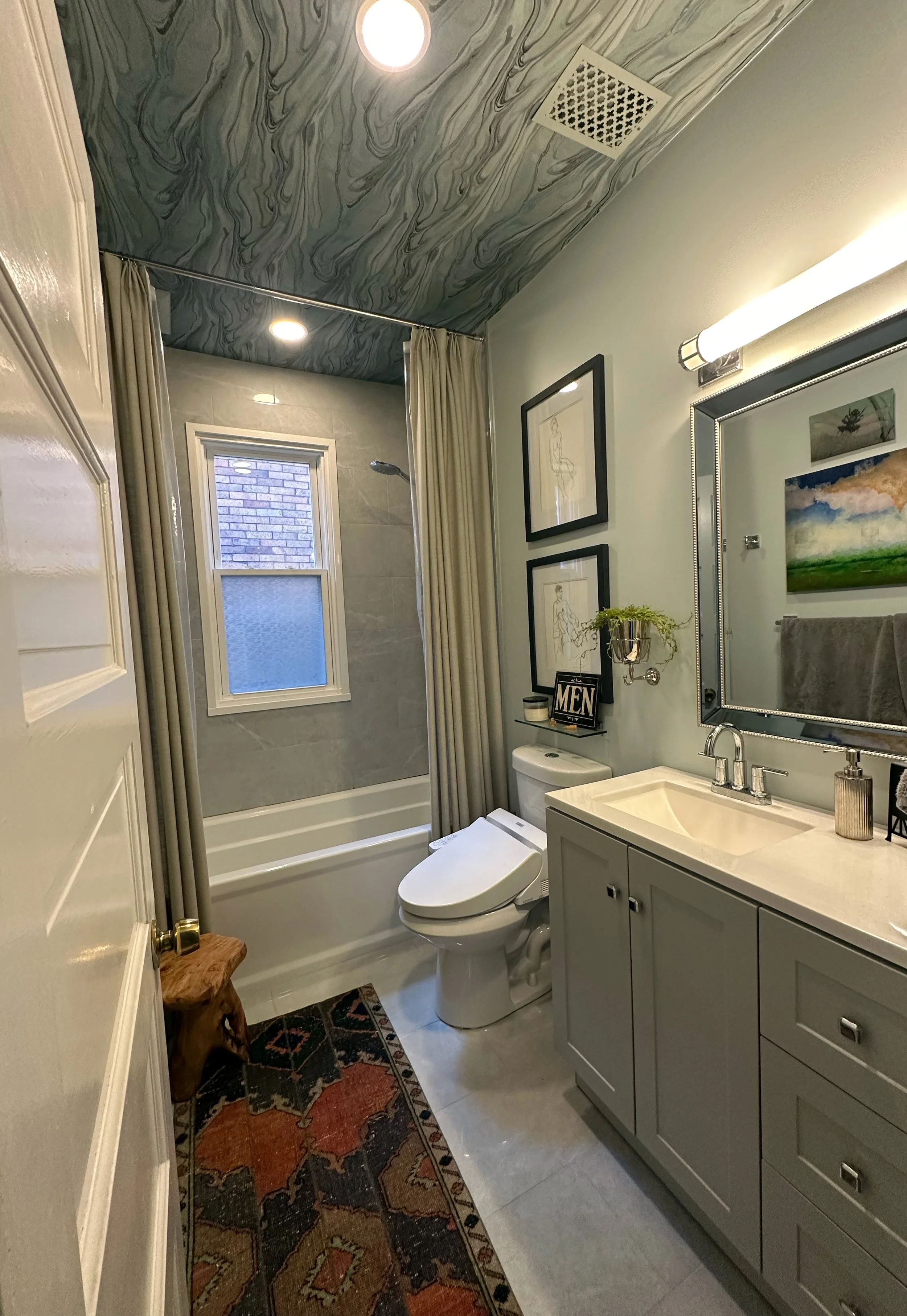
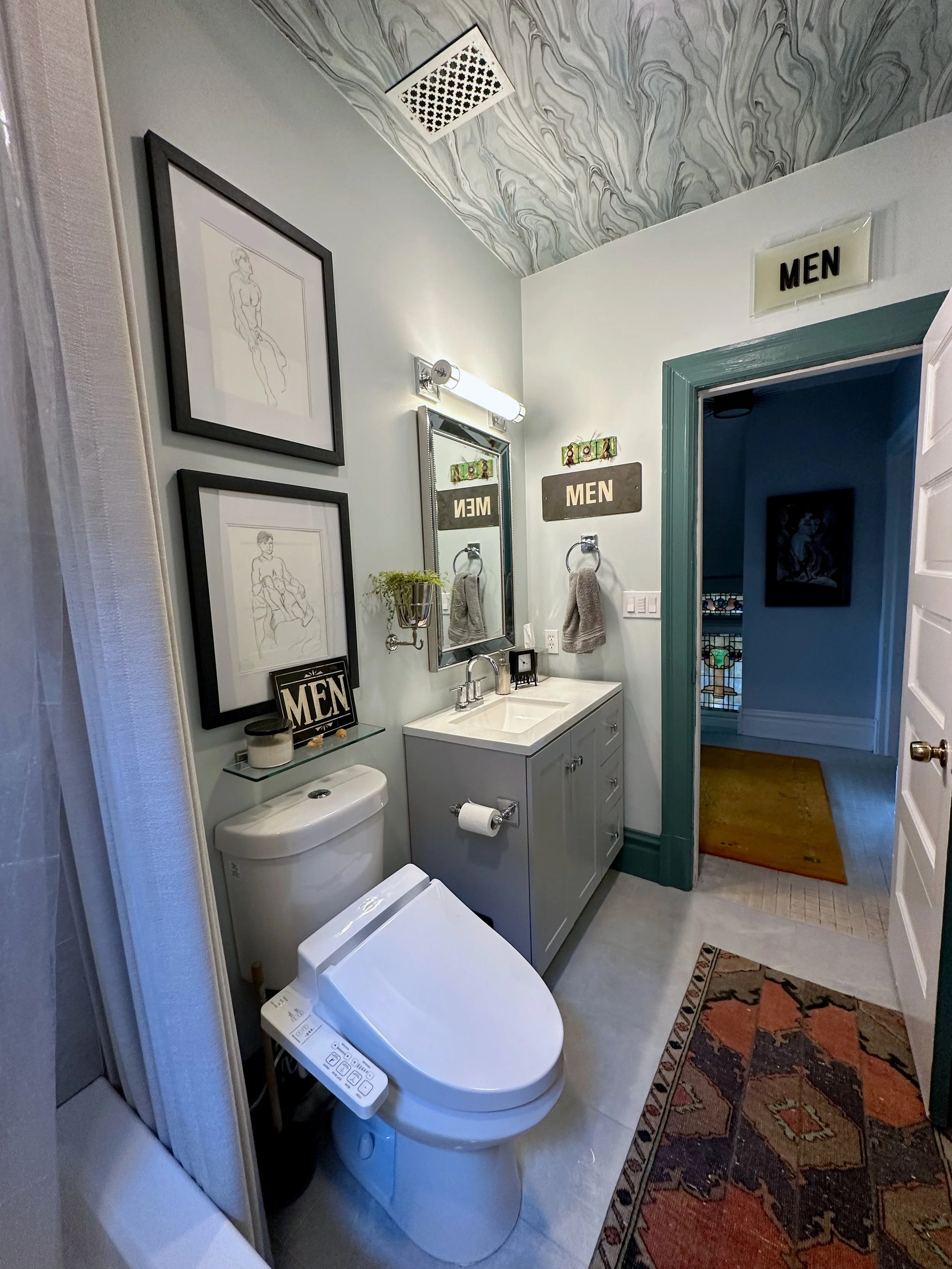
Rather than carrying one color palette throughout the house, each room was given its own distinct identity while maintaining a relationship with the spaces around it. Rich, saturated tones in one room transition into complementary colors elsewhere, creating variety without sacrificing cohesion. The result is a home that unfolds gradually, with each space offering its own atmosphere while still feeling unmistakably part of the same interior.
High-contrast accents and layered textures keep the darker rooms from feeling heavy. Velvet, wood, porcelain, glass, metal, woven materials, and natural foliage each contribute something different to the composition. Reflective surfaces and metallic details add moments of light, while carefully selected textiles provide warmth and depth. Together, these layers create rooms that reveal more of themselves the longer you spend in them.
Lighting was another important consideration. The client wanted to use as little overhead lighting as possible, which led to a more layered and atmospheric approach. Rather than relying on a conventional grid of recessed fixtures to illuminate each room uniformly, table lamps, floor lamps, sconces, picture lights, and decorative fixtures provide illumination at different heights and in different areas of each space.
This approach creates a warmer and more intimate atmosphere while allowing the character of the rooms to change throughout the day. Light can be directed toward artwork, collections, architectural details, or reading areas, allowing different elements to emerge as the mood of the room changes. Decorative fixtures also become part of the overall composition, functioning as both illumination and sculpture.
Throughout the project, the goal was to strike a balance between abundance and restraint. Collectors naturally gravitate toward beautiful things, but displaying everything at once can diminish the impact of individual pieces. Thoughtful editing became just as important as selecting what to include. Some objects were given room to breathe, while others were intentionally grouped to create a stronger collective statement. This allowed the home to celebrate the client's collections without allowing them to overwhelm the architecture or functionality of the rooms.
As is often the case with a collector's home, a designer's work is never truly finished. New treasures are continually being discovered, and each acquisition presents both a challenge and an opportunity. Finding the right place for a new piece may mean reconsidering an existing arrangement, moving objects between rooms, or creating an entirely new vignette. The home was therefore designed as an evolving framework—one that can accommodate new discoveries without losing its sense of cohesion.
In many ways, the finished interior reflects the client’s personality: curious, eclectic, passionate, and unafraid of color. It embraces unexpected combinations while remaining grounded in the architecture of the house. There is history here, but there is also warmth, comfort, and a willingness to experiment.
Ultimately, this project reflects my belief that a successful residential interior should feel connected to its architecture, informed by history, and deeply personal, while remaining comfortable and functional for contemporary life. The goal is not to create a home that looks as though it belongs to another era, nor one that could exist anywhere. It is to create something that feels as though it belongs precisely where it is.
Throughout this evolving process, I have gained far more than a rewarding design experience. What began as a professional collaboration has developed into a wonderful friendship, which I consider one of the greatest rewards of the work. It has been a privilege to help create a home that not only showcases an extraordinary collection, but also provides a setting for that collection—and the life surrounding it—to continue growing for years to come.
The finished interior is ultimately a conversation between past and present: historic architecture thoughtfully restored, contemporary living thoughtfully accommodated, and a lifetime of collecting given room to evolve. It is a home that feels timeless without feeling static, historic without feeling formal, and eclectic without feeling chaotic—a place crafted not simply to be admired, but to be lived in.